

With preparation, insight and empathy, you can turn uncomfortable truths into breakthrough moments.
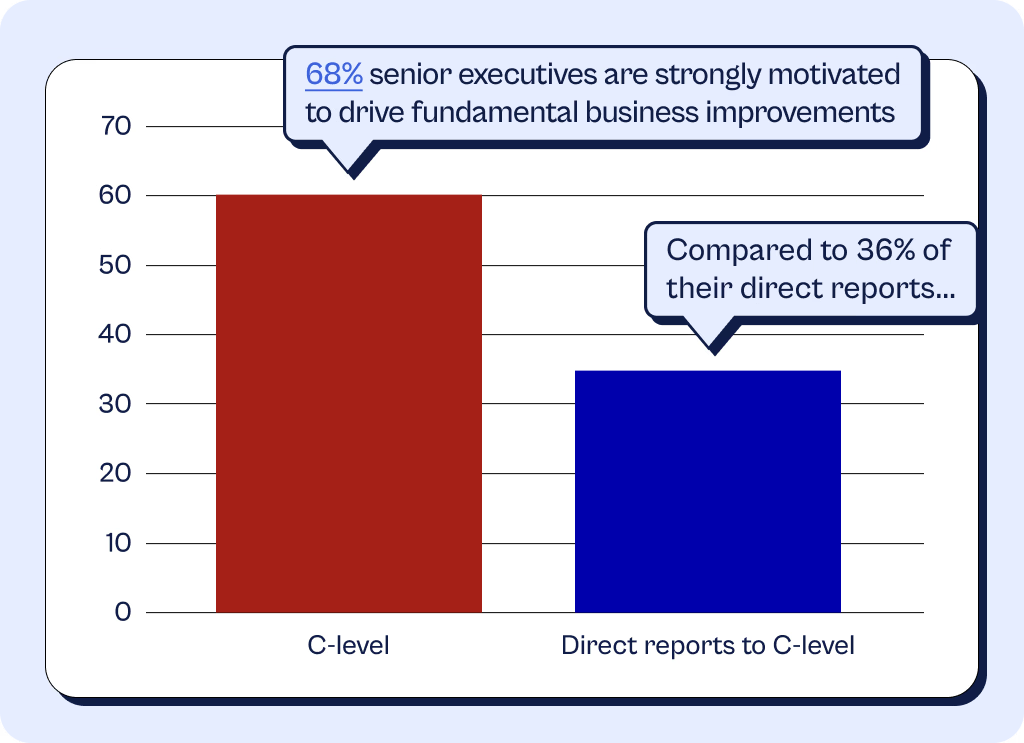
Difficult conversations are an unavoidable part of leadership. 61% of C-level executives show a strong preference for driving fundamental improvement - an approach that inevitably involves change and difficult messages.
Whether you’re addressing underperformance, navigating conflict between team members, giving tough feedback or handling sensitive personal issues, how you lead in these moments defines trust, morale and performance across your team.
For new team leaders in particular, this can be one of the most daunting parts of the role. However, the good news is that managing difficult conversations well is a skill, not an innate character trait. With the right preparation, mindset and follow-up, they can become some of the most fulfilling moments you have as a leader.
Why difficult conversations matter
Avoiding problems doesn’t make them disappear; it usually makes them bigger. Issues left unaddressed often show up later as disengagement, resentment, declining performance or team conflict. On the other hand, leaders who handle difficult conversations well create clarity and build a culture of psychological safety, honesty and accountability over time.
The goal isn’t to “win” the conversation. It’s to reach a shared understanding, agree on next steps and preserve trust - even when the message itself is uncomfortable.
Preparing for a challenging conversation
If tackling issues head-on doesn’t come naturally, preparation is key. Consider timing, context, and approach so you can make your voice heard effectively and confidently.
Make sure you are clear on the purpose
Before you have the conversation, think about:
- What specifically needs to change or be addressed?
- What outcome am I hoping for?
Being clear on your purpose helps prevent the discussion from drifting into blame, defensiveness or unrelated issues.
Separate facts from interpretation
Difficult conversations may derail when opinions are presented as facts. Prepare by clearly distinguishing between:
- Observable behaviours (what actually happened)
- Factual impact (how it affected the work, team or results)
- Assumptions or interpretations (your perspective, not absolute truth)
It can also be very powerful to depersonalise feedback with data. Use data-led insights (e.g. PROPHET) to ground feedback in evidence rather than personal opinion. This helps reduce defensiveness and keeps the focus on behaviours and outcomes.
Be prepared for any reaction with insight
One reason difficult conversations feel so hard is that people don’t all think, communicate or respond in the same way. What feels direct and efficient to one person may feel abrupt or critical to another. What feels thoughtful to one may feel evasive to someone else.
TIP: Recognise different thresholds for discomfort. Some people barely register difficult conversations as uncomfortable. If you, as a leader, are more inclined to avoid awkward discussions, these individuals can feel especially challenging. Identify the people who tackle issues head-on and, where possible, manage them in advance to help frame and pace the discussion, while treading more lightly yourself.
Preparation means considering:
- How might this person react based on their working style?
- What emotions could surface?
- How will I stay calm and constructive?
This is where tools like PROPHET’s team profiles can make a meaningful difference. PROPHET gives leaders visibility into their entire team’s working styles, collective strengths and potential blind spots, along with practical guidance on how to manage and mitigate these. PROPHET is designed to value all working styles in a way that pre-empts conflict or misunderstanding, helping leaders bring outliers into the team.
By understanding how different team members prefer to receive feedback, difficult conversations become easier - or might become entirely avoidable!
Managing the conversation in the moment
Start with context and intent
Open the conversation by explaining why you’re having it and what you hope to achieve. This signals respect and may help to reduce anxiety.
For example: “I wanted to talk because I value your contribution. However, I am concerned about several missed deadlines. This is a chance for you to explain what happened and for us to resolve any issues with a clear plan.”
Clarity at the start prevents misinterpretation later.
Listen at least as much as you speak
Successful conversations are not monologues. Make space for the other person to share their perspective, even if you disagree.
Active listening means:
- Asking open questions
- Reflecting back what you hear
- Resisting the urge to interrupt or “fix” immediately
- Avoiding defensiveness
Often, being heard and understood is what allows people to move forward.
Stay curious, not combative
When tension rises, curiosity is your most powerful tool. Instead of challenging, explore:
- “Help me understand your perspective.”
- “What do you think contributed to this?”
- “What feels hardest about this situation?”
This approach keeps the conversation collaborative rather than adversarial.
Consider the other perspective but remain clear and direct
Empathy is important but it should not come at the cost of achieving your purpose. Avoid softening the message so much that it loses meaning. Clear feedback, delivered respectfully is kinder than ambiguity.
If something needs to change, say so - calmly, directly and without personal judgment.
PROPHET INSIGHT: Frame difficult messages positively. Reassure others of your positive intent. Look for the constructive flip side of challenging feedback—for example:
- “You bulldoze people” → “You are highly results-driven.”
This doesn’t dilute the message, but it helps it land.
Navigating manager one-to-one meetings
Manager one-to-ones are one of the most common contexts for difficult conversations. They often combine feedback, expectations, emotions and future progression into a single discussion.
The most effective meetings avoid surprises. Performance conversations should be ongoing, with a review acting as a summary rather than a revelation.
During meetings:
- Anchor feedback in data, examples and outcomes
- Balance strengths with areas for development
- Discuss expectations for the year ahead, not just past performance
Handled well, manager one-to-ones can motivate and re-engage. Handled poorly, they can undo months of trust.
Following up after the conversation
Document and clarify next steps
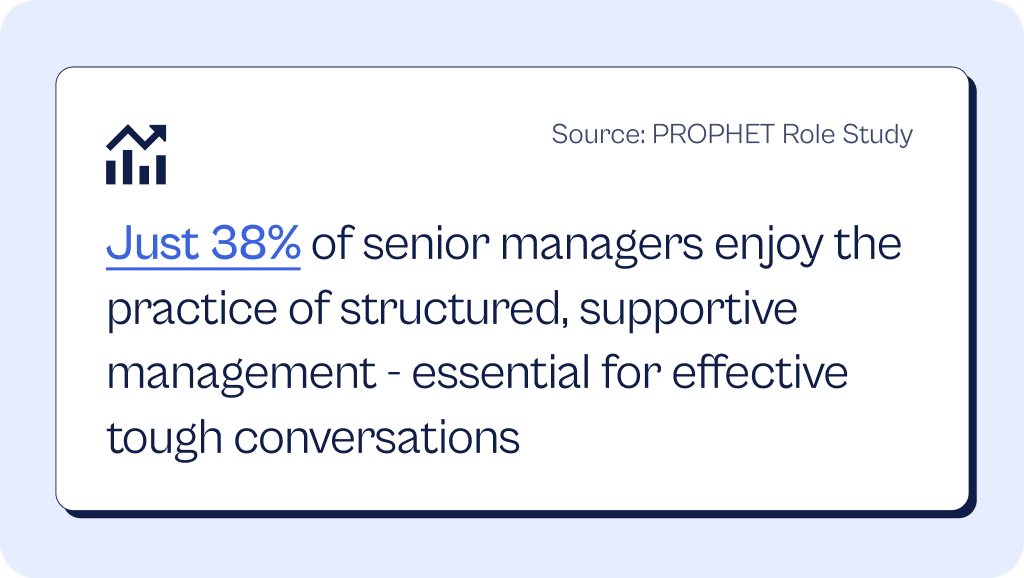
Only 38% of senior managers indicate an average-to-strong preference for structured and supportive team management, which is critical for following up on difficult conversations.
To reduce misunderstanding and create accountability on both sides, follow up after any difficult conversation.
This might include:
- A short written summary of what was discussed
- Agreed actions or goals
- Timelines and support available
Check in, don’t disappear
Silence after a difficult conversation can feel punitive or dismissive. Where appropriate, a quick check-in a week or two later reinforces that the conversation was about progress, not punishment.
Ask:
- How are things feeling now?
- What’s working differently?
- What support would help?
Consistency builds trust.
Reflect on your own approach
Every difficult conversation is also feedback for you as a leader. Reflect on:
- What went well?
- What could you do differently next time?
- How did your communication style land?
- How did you feel after the conversation? Do you need any support?
Growth here compounds quickly.
Turning difficulty into development
Difficult conversations will never feel entirely comfortable. The discomfort is often a sign that something important is being addressed. What matters is how you approach these moments: with preparation, empathy, clarity and follow-through.
For team leaders and managers, mastering difficult conversations isn’t just about resolving issues. It’s about building a culture where honesty, respect and accountability coexist. Over time, that culture, together with the right tools, reduces the number of “difficult” conversations you need to have and increases the impact of the ones you do.
Would you like to see how PROPHET Profiling can support you to turn discord into a turning point?
Visit our Team page or fill in an enquiry and we'll be in touch.